
PMI

The ServiceNow Certified Implementation Specialist - Third-party Risk Management (CIS-TPRM) certification validates an individual's skills in implementing and managing the ServiceNow Third-party Risk Management application. This credential is designed for professionals who configure, administer, and maintain ServiceNow GRC solutions to assess and mitigate risks associated with third-party vendors effectively. This guide delves into the value proposition of obtaining the CIS-TPRM, outlining its benefits, preparation strategies, associated costs, and the tangible return on investment for your career and organization. We will explore what this certification entails, who stands to gain the most from it, and how it can propel professional growth in the evolving landscape of vendor risk.
The ServiceNow Certified Implementation Specialist – Third-party Risk Management (CIS-TPRM) certification signifies a professional's expertise in deploying and managing the ServiceNow Third-party Risk Management module. This specialization is crucial for organizations aiming to streamline their vendor risk assessment processes, ensure compliance, and proactively manage potential disruptions from external partners. Earning this certification demonstrates a deep understanding of the application's capabilities, from initial configuration to advanced reporting and integration.
Professionals who successfully achieve the CIS-TPRM are equipped to:
• Implement core Third-party Risk Management functionalities.
• Configure assessment methodologies and risk scoring.
• Manage third-party portals for efficient collaboration.
• Integrate TPRM with other GRC and ServiceNow applications.
• Support an organization's overall governance, risk, and compliance strategy.
This certification is particularly beneficial for implementation specialists, consultants, and system administrators working with the ServiceNow platform in GRC or risk management roles, enabling them to drive more effective and compliant third-party engagements.
Candidates considering the ServiceNow CIS-TPRM exam should familiarize themselves with its specific parameters to build an effective preparation strategy. The exam, officially known as the ServiceNow Certified Implementation Specialist - Third-party Risk Management (CIS-TPRM), follows a standardized format designed to rigorously test a candidate's practical implementation knowledge.
Here are the critical details:
• Exam Code: CIS-TPRM
• Exam Price: USD $450
• Duration: 90 Minutes
• Number of Questions: 60
• Passing Score: Pass / Fail
Understanding these logistics is the first step toward successful exam planning. The fixed duration and number of questions necessitate efficient time management and a solid grasp of all covered topics. While the passing score is not a specific percentage, it reflects a competency threshold determined by ServiceNow, emphasizing the need for comprehensive preparation across all modules.
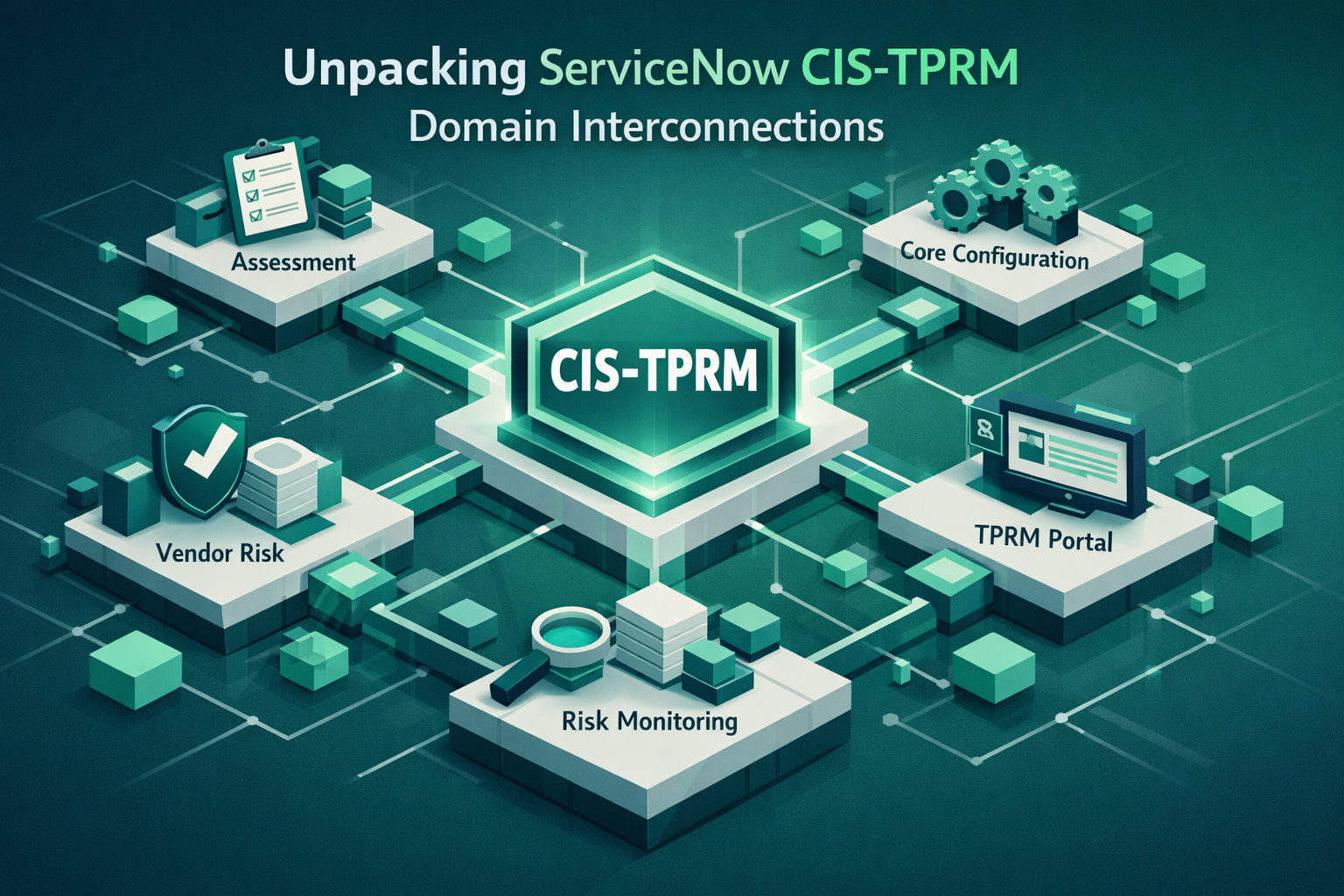
The ServiceNow CIS-TPRM exam evaluates a candidate's proficiency across several critical domains, ensuring a holistic understanding of the Third-party Risk Management application. A detailed review of the syllabus topics and their respective weightings provides a clear roadmap for focused study and skill development. This structured approach ensures that candidates prioritize their efforts where they matter most, aligning with ServiceNow's emphasis on core functionalities and practical implementation.
The primary domains include:
• Third-party Risk Management Fundamentals and Third-party Risk Management Review (23%): This section covers the foundational concepts of TPRM, including its lifecycle, key terminology, and the review processes essential for ongoing risk monitoring.
• Core Configuration (14%): Focuses on setting up the basic framework of the TPRM application, such as defining entities, creating profiles, and establishing data capture mechanisms.
• Assessment Configuration (33%): The most heavily weighted section, this involves designing and implementing assessment methodologies, creating questionnaires, configuring risk scoring logic, and managing assessment campaigns. It is central to evaluating third-party risks effectively.
• Third-party Portal (12%): Covers the setup and customization of the portal interface for third parties, enabling seamless interaction, data submission, and communication throughout the risk management process.
• Third-party Supporting Processes (12%): Addresses the ancillary processes that support TPRM, such as issue management, remediation tracking, and integrating with other GRC components.
• Other Application Relationships (6%): Explores how the TPRM application interacts and integrates with other ServiceNow modules and external systems to provide a comprehensive risk posture.
Mastering these areas is paramount for any aspiring CIS-TPRM professional, as it directly translates to the ability to implement a robust and integrated Third-party Risk Management solution. For more details on the syllabus, candidates can consult the official ServiceNow certification guide.
Earning the ServiceNow CIS-TPRM certification offers substantial benefits, extending beyond mere credentialing to tangible career and organizational value. In a world increasingly reliant on external partners, the ability to manage third-party risks effectively is a highly sought-after skill. This certification positions you as an expert capable of implementing solutions that protect organizational assets, ensure compliance, and maintain business continuity.
Key advantages include:
• Enhanced Career Opportunities: Certified professionals are often prioritized for roles requiring specialized GRC and risk management expertise, opening doors to advanced positions and responsibilities. The certification acts as a powerful differentiator in a competitive job market.
• Increased Earning Potential: Specialized skills in high-demand areas like Third-party Risk Management typically correlate with higher salary prospects. The investment in certification can lead to a significant return in terms of compensation.
• Demonstrated Expertise: The CIS-TPRM serves as undeniable proof of your technical proficiency in configuring and managing the ServiceNow TPRM application. This validates your ability to tackle complex implementation challenges and deliver robust solutions.
• Improved Organizational Resilience: For employers, having CIS-TPRM certified staff means a more effective and efficient risk management program. This translates into reduced exposure to financial, reputational, and operational risks stemming from third-party engagements.
• Professional Credibility: Being a ServiceNow Certified Implementation Specialist builds trust with clients and stakeholders, showcasing your commitment to best practices and continuous professional development.
This certification is more than a badge; it's an investment in your future and a testament to your capability in a crucial area of modern business.
Effective preparation is the cornerstone of success for the ServiceNow CIS-TPRM exam. Given the comprehensive nature of the syllabus, a structured study plan is essential to cover all topics thoroughly and build practical application skills. Candidates should focus on a multi-faceted approach that combines official training, hands-on experience, and targeted practice.
Consider these strategic steps:
1. Official ServiceNow Training: Enroll in the official ServiceNow training courses specific to Third-party Risk Management. These courses provide foundational knowledge and hands-on labs crucial for understanding the application's functionality.
2. Hands-on Practice: Utilize a personal developer instance (PDI) to experiment with the TPRM module. Practical application of concepts, such as configuring assessments, creating questionnaires, and managing portals, solidifies theoretical understanding.
3. Review Documentation: Refer to official ServiceNow documentation, product manuals, and community articles. These resources often provide in-depth explanations and best practices for implementation scenarios. Community resources like the ServiceNow GRC Community can offer valuable insights and peer support.
4. Practice Questions: Engage with high-quality practice questions that mimic the exam format and difficulty. This helps identify knowledge gaps and familiarizes you with the types of scenarios presented in the actual exam.
5. Study Groups and Forums: Collaborate with other candidates or join online forums to discuss challenging topics, share insights, and clarify doubts. Collective learning can enhance understanding and provide alternative perspectives.
6. Time Management: Develop a study schedule that allocates sufficient time to each syllabus domain, paying extra attention to the heavily weighted Assessment Configuration section. Consistent, focused study over time is more effective than cramming.
A well-rounded preparation plan will not only help you pass the exam but also ensure you gain the practical skills needed to excel in a TPRM implementation role.
The decision to pursue the ServiceNow CIS-TPRM certification involves a clear understanding of both the financial and time investments required. The exam itself has a straightforward fee, but the overall cost extends to preparatory resources, while the duration varies significantly based on individual experience and study methods.
The direct cost for the ServiceNow CIS-TPRM exam is USD $450. However, this figure does not encompass potential expenses for:
• Official Training Courses: ServiceNow often recommends or requires specific prerequisite courses, which can range from several hundred to a few thousand dollars, depending on the format and duration.
• Study Materials: This can include access to online practice platforms, reference books, or additional lab environments.
• Retake Fees: If the exam is not passed on the first attempt, each subsequent attempt incurs the standard exam fee.
Regarding time commitment, the typical duration for preparing for the CIS-TPRM exam can vary:
• Experienced Professionals: Individuals with significant prior experience in ServiceNow GRC or risk management may require 40-60 hours of focused study, spread over 2-4 weeks.
• Newer Candidates: Those with less direct experience may need 80-120 hours or more, potentially extending their preparation over 1-3 months to grasp both foundational concepts and specific application details.
Factors like existing ServiceNow knowledge, familiarity with Third-party Risk Management principles, and the intensity of study can significantly influence the total time investment. It is important to factor in these variables when planning your certification journey.
Achieving the ServiceNow CIS-TPRM certification not only validates your expertise but also significantly enhances your ability to drive effective Third-party Risk Management (TPRM) implementations within organizations. The skills gained are directly applicable to optimizing business processes, ensuring regulatory compliance, and bolstering overall security posture. Professionals with this credential are instrumental in transforming how companies interact with their vendors, turning potential liabilities into managed risks.
Key areas where certified specialists make an impact include:
• Customizing Workflows: Tailoring assessment and remediation workflows to align with specific organizational policies and risk appetite.
• Integrating Data Sources: Connecting TPRM with other GRC modules (e.g., Compliance, Audit) and external data feeds for a unified risk view.
• Automating Processes: Implementing automation for tasks like vendor onboarding, assessment scheduling, and control monitoring, leading to greater efficiency and accuracy.
• Generating Actionable Insights: Configuring reporting dashboards and metrics to provide clear, real-time visibility into third-party risk profiles and performance.
• Ensuring Compliance: Helping organizations meet various regulatory requirements (e.g., GDPR, HIPAA, industry-specific standards) by structuring risk assessments and controls appropriately.
The practical application of these skills contributes directly to a stronger, more resilient operational framework.
The ServiceNow CIS-TPRM certification is designed for a specific cohort of professionals seeking to formalize and advance their expertise in third-party risk management on the ServiceNow platform. Identifying if you are the ideal candidate involves evaluating your current role, experience, and career aspirations. This credential is not merely for those interested in GRC but specifically for individuals who will be hands-on with the implementation and configuration aspects.
Ideal candidates typically include:
• ServiceNow Implementation Specialists: Those tasked with deploying and customizing ServiceNow applications for clients or within their own organizations.
• GRC Consultants: Professionals advising businesses on governance, risk, and compliance strategies, with a focus on vendor and third-party risk.
• Risk Analysts/Managers: Individuals responsible for identifying, assessing, and mitigating risks posed by third-party relationships.
• System Administrators: Experienced ServiceNow administrators who need to expand their capabilities to include specific GRC modules like TPRM.
• IT Security Professionals: Those who manage vendor security assessments and want to leverage the ServiceNow platform for greater efficiency and integration.
Prerequisites generally include a fundamental understanding of the ServiceNow platform, preferably with a Certified System Administrator (CSA) certification, and a basic grasp of GRC and risk management principles. This foundational knowledge ensures candidates are ready for the specialized content of the CIS-TPRM.
The ServiceNow CIS-TPRM certification is a robust credential offering significant career advantages and tangible value for organizations managing complex third-party relationships. It equips professionals with the specialized skills needed to implement and optimize ServiceNow's powerful TPRM solution, directly addressing critical business needs in compliance, security, and operational resilience. The investment in time and resources for this certification is well-justified by the enhanced career opportunities, increased earning potential, and the ability to drive impactful risk management strategies.
For professionals committed to excelling in the GRC domain and leveraging the ServiceNow platform, the CIS-TPRM certification is a clear pathway to establishing expertise and contributing meaningfully to organizational success. Begin your journey toward becoming a certified specialist by exploring comprehensive study materials and practice tests, and equip yourself with the knowledge to make a significant impact in third-party risk management. Visit certification preparation strategies to get started.
1. What is the primary focus of the ServiceNow CIS-TPRM certification?
The ServiceNow CIS-TPRM certification primarily focuses on validating a professional's expertise in implementing, configuring, and maintaining the ServiceNow Third-party Risk Management (TPRM) application. It covers practical skills needed to manage risks associated with external vendors and partners.
2. Is there a prerequisite for taking the CIS-TPRM exam?
While there isn't a strict formal prerequisite, ServiceNow typically recommends candidates have a foundational understanding of the ServiceNow platform, often evidenced by a Certified System Administrator (CSA) certification, and basic knowledge of GRC principles before attempting the CIS-TPRM exam.
3. How long does it typically take to prepare for the CIS-TPRM exam?
Preparation time for the CIS-TPRM exam varies. Experienced ServiceNow professionals with GRC background might need 40-60 hours of study over a few weeks, while those newer to the platform or TPRM concepts could require 80-120 hours or more, spread across 1-3 months.
4. What career benefits can I expect from the ServiceNow CIS-TPRM certification?
Benefits include enhanced career opportunities in GRC and risk management roles, increased earning potential due to specialized skills, demonstrated technical expertise in ServiceNow TPRM, improved professional credibility, and the ability to contribute to organizational resilience against third-party risks.
5. Can the ServiceNow CIS-TPRM certification help with regulatory compliance?
Yes, certified professionals are well-equipped to implement and configure the ServiceNow TPRM application to support various regulatory compliance efforts. They can help organizations structure risk assessments, manage controls, and generate reports that align with requirements such as GDPR, HIPAA, and other industry-specific standards.